
Easy-to-clean indoor blinds: compare materials, access and everyday care

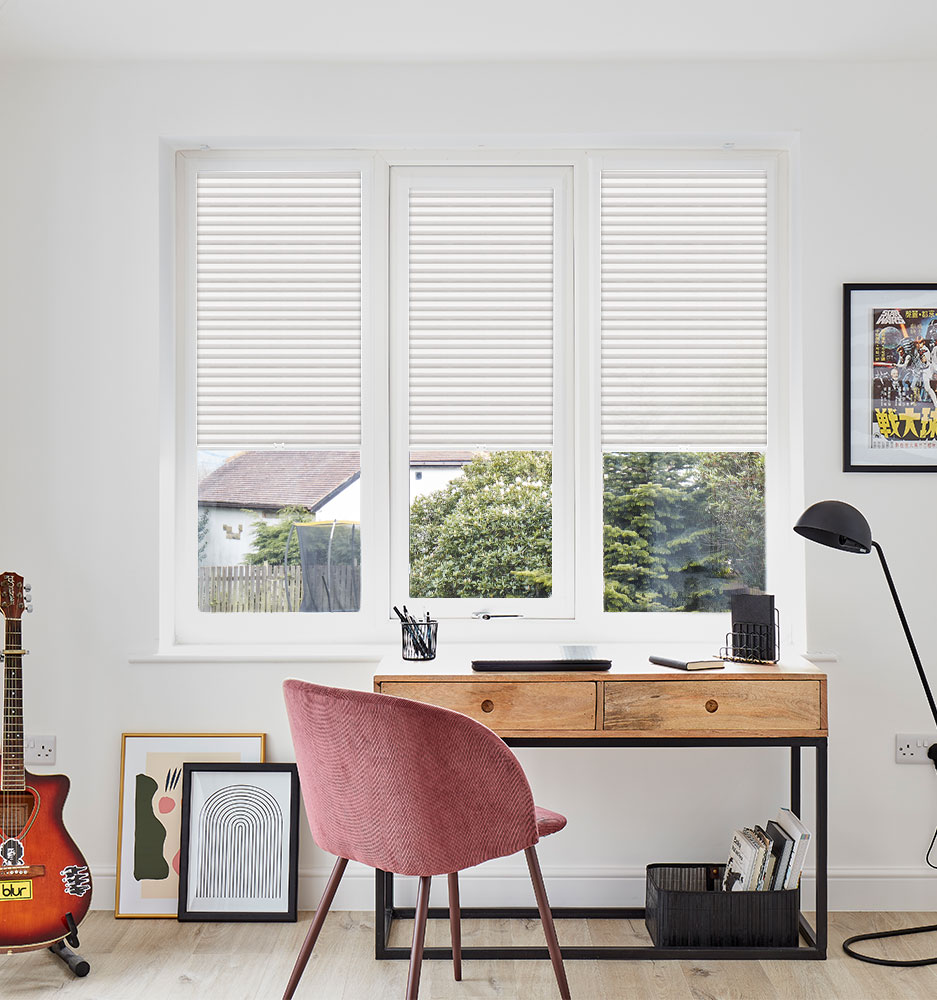
Easy-to-clean indoor blinds are best chosen by comparing three things: the care requirements of the exact material, how easily you can reach it, and the operation of the complete system. A simple appearance or a “low-maintenance” description does not tell you whether a fabric can be wiped, washed or treated with detergent.
Before ordering, ask for the selected product’s care instructions and consider how they will work in your room. That gives you a useful comparison between options without assuming that every blind needs the same cleaning method.
Compare care questions before choosing a material
ART Lifestyle’s indoor-blind range includes roller, Venetian, zebra and cellular options, with motorisation available for suitable systems. Their shapes, materials and controls differ. Use the comparison below to prepare questions for the exact product being quoted.
| Option | Care question to ask | Access to consider |
|---|---|---|
| Roller fabric | Which routine and spot-treatment methods are approved for this fabric and coating? | Both sides of the material, its edges and the headrail |
| Venetian slats | What care suits the specified slat material and finish? | Individual slats, corners and the tilting mechanism |
| Cellular or pleated fabric | How should this fabric and its folds be handled during care? | The fabric, edges and operating components |
| Motorised configuration | What precautions apply to the motor, power connections and controls? | Service and charging access, where applicable |
Sunscreen, light-filtering and blockout describe light-control choices, not one shared care specification. When comparing roller blinds, identify the actual fabric reference rather than selecting a cleaning method from its appearance.
Look at the room’s everyday exposure
A kitchen window near cooking or splashes presents a different brief from a bedroom window beside a bedside table. Describe what happens around the opening: moisture, cooking residue, frequent handling or dust. Ask whether the proposed material and finish suit that position and the care they will need.
Keep privacy and light control in the comparison too. A material should meet the room’s practical needs as well as your preferred care routine. Review the selected sample and its written guidance together before agreeing the specification.
Check access to the whole installation
Stand where you would normally operate and care for the blind. Note furniture, window handles, security fittings and anything that limits access to the top or sides. A neat recess fit can still be awkward to reach behind a fixed desk or deep worktop.
For high windows, discuss safe access for cleaning and future servicing before installation. Motorisation may make daily operation easier, but it does not remove the need to reach the fabric or service components. The motorised-blinds planning guide explains why power, controls and maintenance access belong in the initial brief.
Get useful aftercare answers in writing
Ask for guidance that identifies the actual fabric, slat finish and operating system. A useful handover should answer:
- What routine care is recommended for this exact material?
- Are water, cleaning products or spot treatments permitted, and under what conditions?
- Which parts need separate handling or protection during care?
- What should you do if the mechanism resists movement or the material is damaged?
- Who should you contact when the instructions do not cover a problem?
Keep those instructions with the product reference and quotation. Do not transfer a method from one blind to another because they share a colour or look similar. Any recommendation involving soaking, detergent or specialist treatment should come from the applicable product guidance.
For existing blinds, identify the system first
If you already have blinds, look for a product label, original specification or supplier record before choosing a treatment. Photographs can help explain the condition, but they do not establish the fabric’s care limits. Separate a dirty surface from an operating problem: forcing a reluctant mechanism is not a cleaning solution. Seek product-specific advice where the material, controls or previous treatment are uncertain.
Everyday-care questions
Are low-maintenance blinds maintenance-free?
Do not assume that description removes aftercare. Compare the actual instructions, access and operating requirements of the proposed product rather than relying on the label alone.
Can all roller blinds be washed?
No universal washing recommendation is appropriate. Confirm what is permitted for the selected fabric, coating and complete system before applying water or a cleaning product.
Plan care alongside your quotation
Tell ART Lifestyle your location, rooms and window count, and explain where access or everyday care may be difficult. Use the consultation photo checklist, then request a consultation. For photographs or a longer brief, WhatsApp 083 298 1740. The team can discuss suitable options and confirm the next measurement step for your location.