
Motorised Blinds for Large and High Windows: A Planning Guide

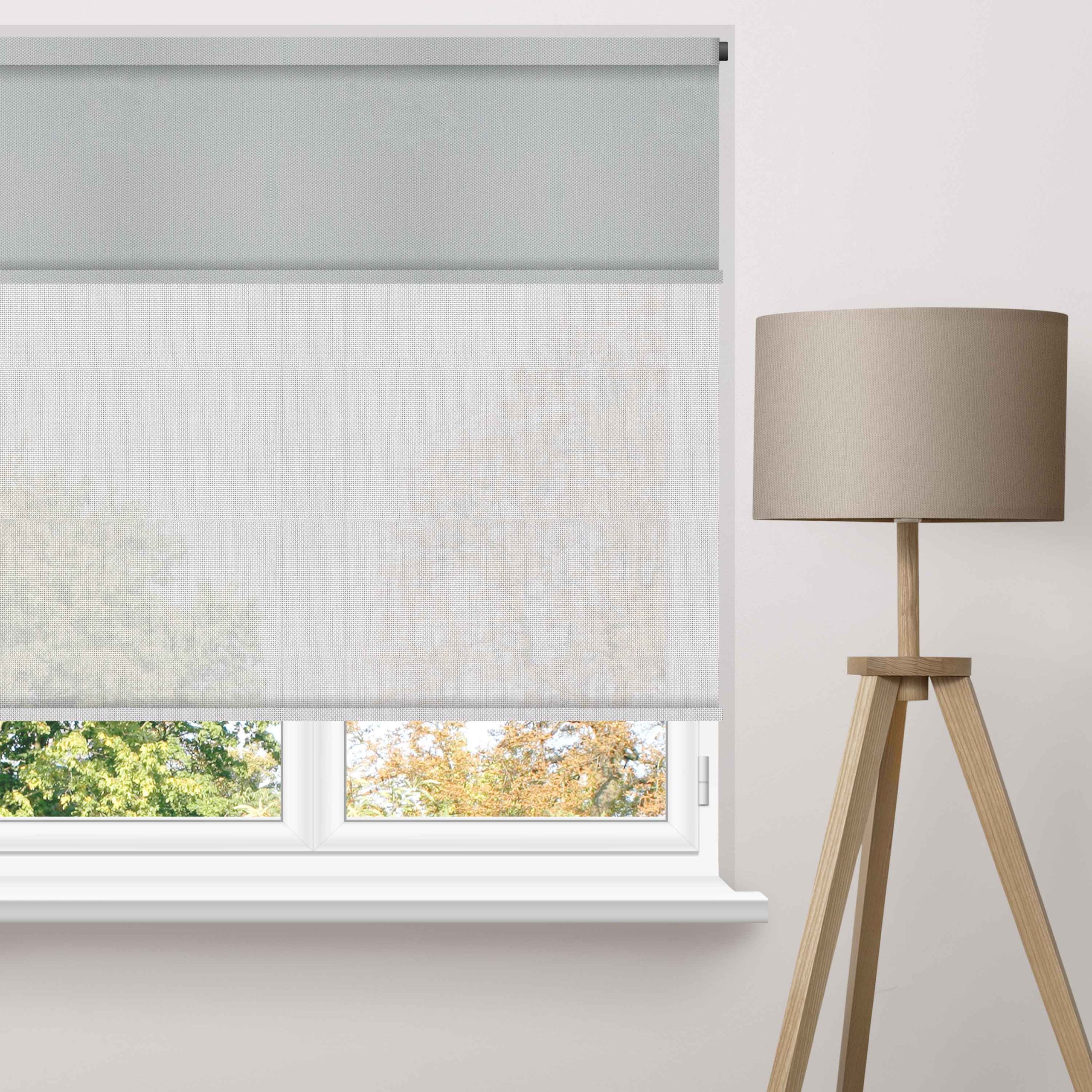
Plan operation, power and divisions before manufacture
Motorised Blinds for Large and High Windows: A Planning Guide
Motorised blinds can make large, high or grouped windows practical to use every day. The value is not simply pressing a button. A successful system aligns the blind divisions with the architecture, matches each motor to the product and dimensions, and resolves power, controls and maintenance access before installation.
Discuss a motorised-blinds project or WhatsApp 083 298 1740.
When motorisation makes sense
Consider motorisation when controls would otherwise be difficult to reach, when several blinds need frequent adjustment, or when a clean control-free finish is important. Double-height living rooms, clerestory windows, wide glazed doors, hospitality spaces and meeting rooms are common examples. It can also support routines in bedrooms, provided the selected products and controls are compatible.
Start with the blind, not the app
The window treatment must suit the opening before automation is considered. Choose the product and fabric around glare, privacy, heat, view and darkness. Then confirm that the blind dimensions and weight fall within the operating limits of a suitable motorised system. Not every blind can be motorised, and not every platform works with every motor.
Decide whether a large opening should be divided
One very wide blind is not always the best answer. Dividing the opening can reduce fabric and hardware stress, improve alignment and preserve access to individual doors or window sections. Divisions should follow mullions and architectural lines where possible.
| Layout | Advantage | Planning point |
|---|---|---|
| Single blind | Uninterrupted visual panel | Confirm system limits, fabric behaviour and access |
| Multiple aligned blinds | Practical spans and independent access | Coordinate gaps, levels and synchronised controls |
| Linked or grouped controls | Several blinds move together | Keep individual override and commissioning needs clear |
Plan power before ceilings and finishes close
Confirm whether the selected motor uses mains power, low-voltage wiring or a rechargeable supply. Cable routes, connection points and isolation should remain safe and serviceable. Battery or rechargeable options still need practical charging access. Coordinate the electrical plan with the blind supplier and electrician before manufacture.
Choose controls around daily routines
Controls may include wall switches, remotes, grouped channels, timers or compatible smart-home integration. Define the essential routine first: one-touch control at the entrance, independent bedroom operation, a group scene for a double-height facade, or staff control for a hospitality space. Avoid unnecessary complexity that makes everyday use harder.
Confirm integration compatibility
If the blinds must connect to a home-automation system, confirm the exact protocol, gateway and responsibilities before ordering. Do not assume compatibility from a broad smart-home label. Decide who supplies, configures and supports each component, and how the blinds can still be operated if the network or integration is unavailable.
Protect maintenance access
Motors, headboxes, power connections and controls may need future inspection. Pelmets, ceilings and joinery should allow access without damaging finished surfaces. For high windows, also plan safe physical access for cleaning, adjustment and service.
Coordinate privacy and light performance
Motorisation changes operation, not fabric performance. Sunscreen material still has different day and night privacy. Blockout fabric still leaves edge light according to the fit. Cellular fabrics still depend on glazing, opacity and coverage. Select the fabric around the room, then automate the suitable system.
Motorised-blinds project checklist
- Define the room outcome. Rank glare, privacy, darkness, view and convenience.
- Measure the opening. Record structure, recess, handles, access and window divisions.
- Confirm the blind layout. Decide where units divide and how gaps align.
- Select a suitable motor. Match product, dimensions, weight and operating frequency.
- Resolve power. Coordinate wiring, charging and service access.
- Choose controls. Define individual, group and integration needs.
- Commission the system. Test limits, direction, grouping, overrides and handover.
Motorised blinds FAQ
Can every blind be motorised?
No. Suitability depends on the product, system, dimensions, fabric, power and installation conditions.
Are motorised blinds suitable for bedrooms?
They can support simple morning and evening routines. Privacy and darkness still depend on fabric and fit.
Do I need smart-home integration?
No. A wall switch or remote may be the simplest dependable control. Integration should be added only where compatibility and support are clear.
What happens during a power failure?
The answer depends on the motor and control system. Confirm backup, manual override and access requirements during specification.
Can several blinds move together?
Suitable systems can often be grouped. Alignment, limits and individual override should be commissioned carefully.
Make demanding windows easy to live with
Share the location, window photographs, approximate dimensions, plans where available and the controls you expect. ART Lifestyle can assess the blind layout, motorisation suitability and next step for a measured quotation.
Book a motorised-blinds consultation or WhatsApp 083 298 1740.