
Sunscreen vs Blackout Roller Blinds: Which Should You Choose?

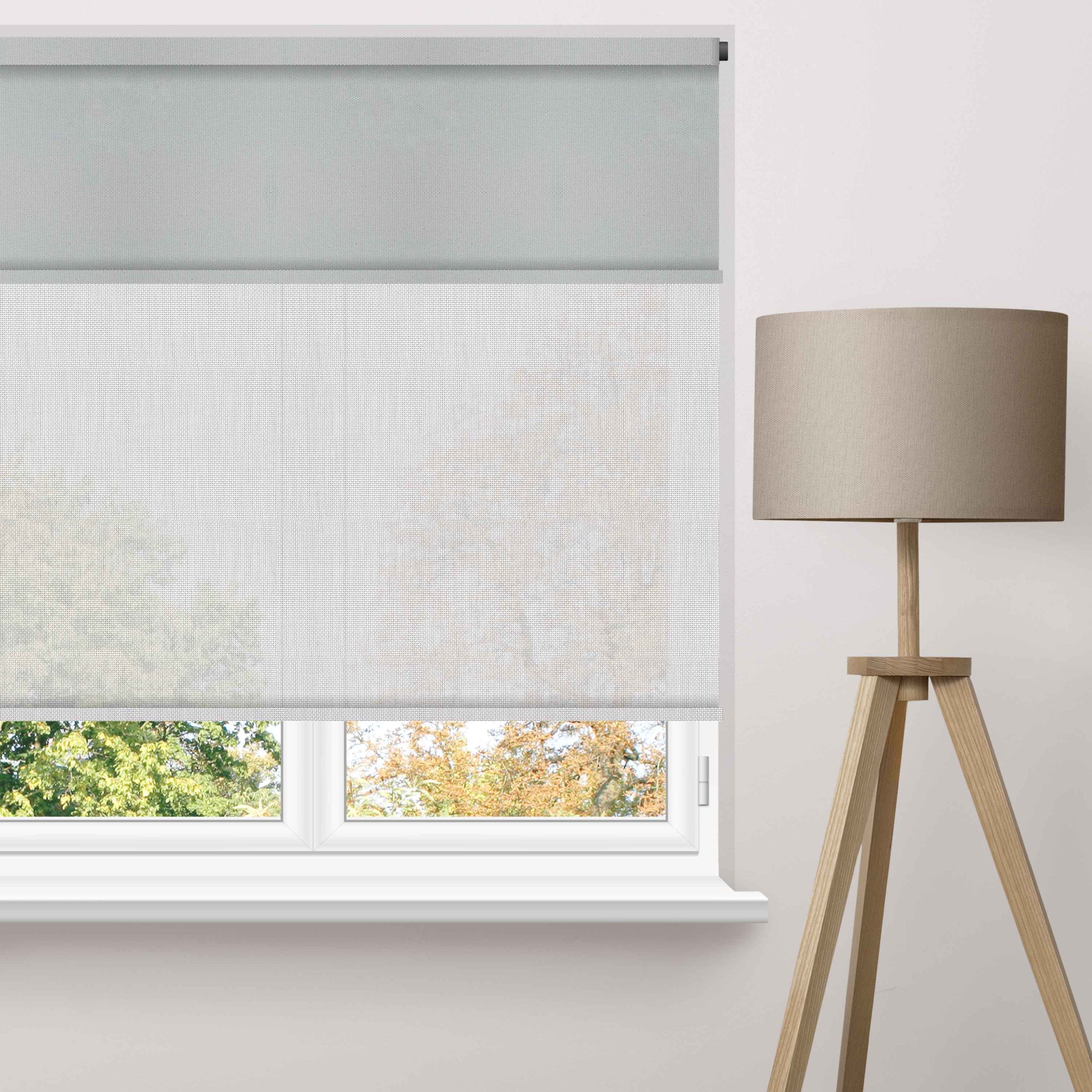
Sunscreen and blackout roller blinds can look similar when rolled up, but they perform very different jobs. Sunscreen fabric manages glare and daytime visibility while retaining some outward view. Blackout fabric blocks light through the material and provides privacy when closed. The right choice depends on the room, the direction of the sun and what you need after dark.
This comparison is written for South African homes, where strong sunlight, privacy and heat at the glass often have to be considered together. For a broader product overview, visit our roller blinds page.
Sunscreen vs blackout at a glance
| Feature | Sunscreen roller blind | Blackout roller blind |
|---|---|---|
| Daytime view | Often retains a filtered outward view | No view when closed |
| Glare control | Very useful for screens and bright living spaces | Strong control, but removes the view |
| Daytime privacy | Improved, depending on light levels and fabric | Complete through the fabric when closed |
| Night privacy | Not reliable when lights are on inside | Reliable when closed |
| Bedroom darkness | Not designed for darkness | Best of the two, with edge gaps managed separately |
What is sunscreen blind fabric?
Sunscreen fabric is an open-weave technical screen. The openness of the weave affects view, glare and privacy. It can soften harsh light and reduce reflections on televisions or computer screens without making a daytime room feel closed off.
Its privacy effect depends on the balance of light. During the day, when it is brighter outside than inside, the view into the room is reduced. At night, interior lighting reverses that balance and people outside may be able to see in. Sunscreen blinds should therefore not be treated as a complete night-privacy solution.
What is blackout blind fabric?
Blackout fabric has an opaque backing or construction that prevents light passing through the fabric. It is well suited to bedrooms, nurseries, media rooms and any room where night privacy matters.
“Blackout fabric” does not automatically mean a completely dark room. Light can still appear around the sides, top and bottom of a conventionally mounted roller blind. For stronger room darkening, the measure, overlap and optional channel or cassette details matter as much as the fabric. Read more on our blackout blinds page.
Which is better for heat and afternoon sun?
Both can help manage direct solar exposure at the window, but fabric colour, openness, glazing and mounting position influence the result. Sunscreen fabric is often selected where the priority is glare control with a usable view. Blackout is chosen when blocking light and creating privacy are more important than seeing outside.
For a west-facing lounge, a sunscreen blind may make the room more comfortable during the day while preserving the view. If that lounge also needs privacy at night, one fabric may not do both jobs.
When a double roller blind makes sense
A double system combines a sunscreen blind with a blackout blind on the same opening. During the day, the screen manages glare and view. At night, the blackout blind closes for privacy. This can be a strong solution for living rooms, street-facing bedrooms and home offices that serve different functions over 24 hours.
The trade-off is a deeper installation footprint and a higher specification than a single blind. The reveal must have enough space, and the finished roll sizes need to be considered during the measure.
Best choice by room
Bedrooms and nurseries
Choose blackout when sleep and privacy are the priorities. Discuss edge gaps if a very dark result is important.
Living rooms with a view
Sunscreen is often the better daytime option. Add blackout, curtains or another layer when the room also needs night privacy.
Home offices
Sunscreen fabric can reduce screen reflections while preserving natural light. The position of the workstation and direct sun path should guide the openness and colour.
TV and media rooms
Blackout provides stronger light control for daytime viewing. A darker room can be achieved more effectively when side light is addressed in the installation design.
Kitchens and bathrooms
Prioritise a suitable, easy-care material and privacy. The installer should consider moisture, splashes and ventilation when recommending the fabric and mounting position.
Does fabric colour matter?
Yes. Colour changes the visual effect, outward view and how the blind sits within the room. Darker sunscreen fabrics can produce a clearer outward view, while lighter colours can feel softer and blend into pale interiors. Performance varies by collection, so compare real samples at the window instead of choosing from a screen alone.
Manual or motorised?
Both sunscreen and blackout roller blinds can be considered for motorisation, subject to the system and dimensions. Motorisation is especially useful for large windows, double-volume spaces and grouped blinds that should move together. Our motorised blinds guide explains the main control choices.
Selection checklist
- Do you need to see outside during the day?
- Is night privacy essential?
- Does direct sun cause glare on a television or monitor?
- Is bedroom darkness important?
- Is there enough reveal depth for a double system?
- Would several blinds benefit from grouped or automated control?
Compare the fabrics at your window
The most reliable choice comes from seeing samples in the room and checking the sun, view and privacy requirements. Request a consultation and quotation from Art Lifestyle.
One thought on “Sunscreen vs Blackout Roller Blinds: Which Should You Choose?”