
Bedroom Blinds: How to Plan Privacy, Light and Better Darkness

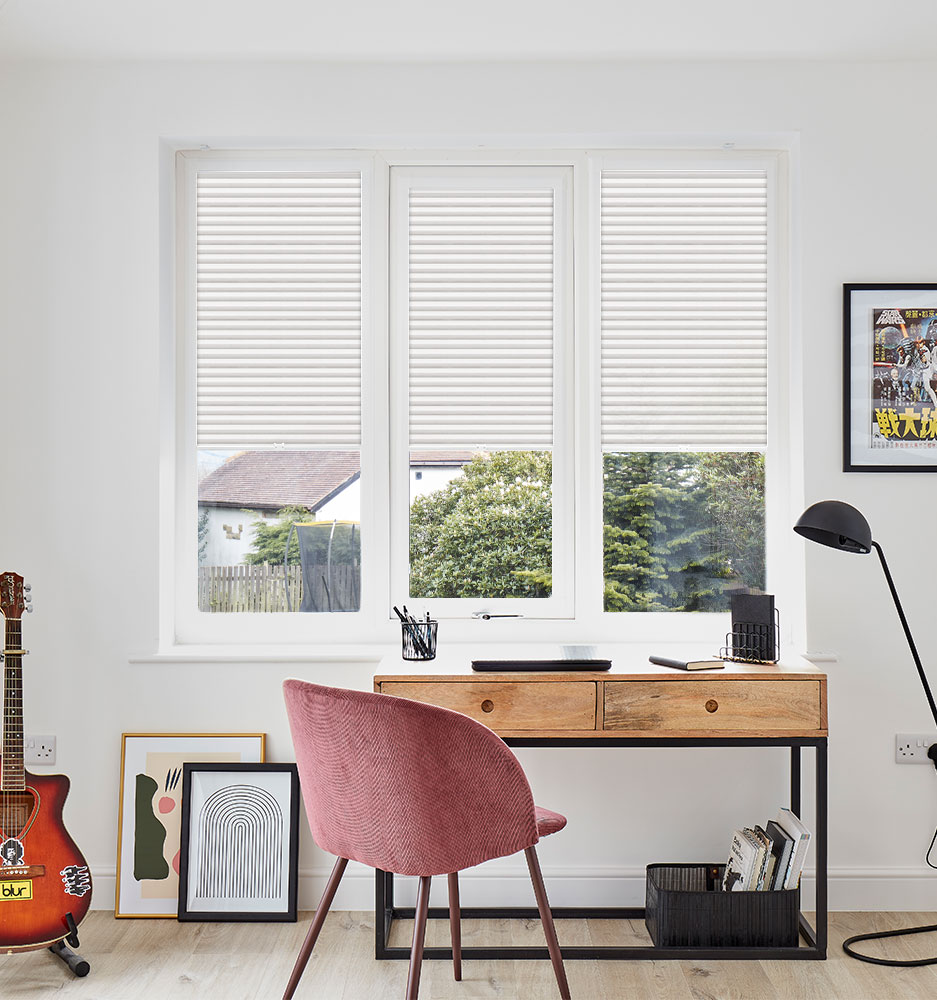
Room-by-room planning for privacy, light and sleep
Bedroom Blinds: How to Plan Privacy, Light and Better Darkness
The right bedroom blind is not simply the darkest fabric on a sample card. A good result balances sleep, privacy, daylight, ventilation, window access and the way the room looks when the blind is open. ART Lifestyle specifies made-to-measure bedroom solutions around the opening and the level of darkness the room actually needs.
Request a bedroom measure and quote or WhatsApp 083 298 1740.
Start with the bedroom outcome
Decide what is most important before choosing a product. A main bedroom may need dependable evening privacy and control of early-morning light. A nursery may need simple operation and stronger nap-time darkness. A guest room may benefit from an intuitive, flexible treatment that different people can use without explanation.
- Privacy: assess street, neighbour and passage sightlines during the day and after dark.
- Darkness: decide whether you need softer dim-out control or stronger room darkening.
- Daylight: consider whether the room should remain bright when privacy is needed.
- Operation: review manual, cordless or suitable motorised controls around the users and window height.
- Access: preserve handles, opening windows, security fittings and ventilation.
Compare bedroom window treatments
| Option | Main strength | Planning point |
|---|---|---|
| Blockout roller blind | Compact format with opaque fabric | Edge gaps and mounting position affect total darkness |
| Cellular or honeycomb blind | Soft finish with air-pocket construction | Choose opacity and check recess clearances |
| Venetian or plantation shutter | Adjustable directional light and privacy | Slat closure does not create complete darkness |
| Blackout or dim-out curtains | Generous overlap and a softer interior finish | Track position, returns, fullness and floor clearance matter |
| Layered treatment | Separate daytime and night-time control | Allow enough depth and stacking space for both layers |
Why blockout fabric does not guarantee a completely dark room
Opaque blockout fabric prevents light passing through the material. The installed result also depends on light entering around the blind. A recess-fitted roller blind needs operating clearance at the sides. A face-fixed blind can create greater overlap where the wall, trim and surrounding space allow it. Light can also enter above the blind and at the sill.
If stronger darkness matters, inspect the window when outside light is strongest. Consider face fixing, greater overlap, side channels where suitable, or a layered curtain treatment. Do not assume one configuration suits every opening.
Plan privacy across the full day
Sunscreen fabrics can preserve daytime views while limiting visibility from the brighter side, but privacy changes after dark when bedroom lights are on. Light-filtering fabrics soften daylight yet may reveal silhouettes at night. A second privacy layer, shutter or curtain can help the room move between daytime openness and evening screening.
Choose controls around the people using the room
Controls should be easy to reach without leaning over furniture. For children’s rooms, ask about suitable child-conscious or motorised operation. Large, high or grouped windows may benefit from motorisation, but the blind size, system, power source, controls and maintenance access must all be confirmed. Not every blind or smart-home platform is automatically compatible.
Measure more than width and drop
A measured bedroom specification records recess depth, handles, hinges, opening direction, burglar bars or security fittings, skirtings, bedside furniture, curtain stack-back and fixing surfaces. These details determine whether the treatment clears the window and operates smoothly.
- Define the need. Rank privacy, darkness, daylight and convenience.
- Inspect the opening. Note all obstructions and the strongest light source.
- Compare samples. Review colour and opacity in the actual room.
- Choose the fit. Decide between recess, face fix or a layered layout.
- Confirm controls. Plan manual or suitable motorised operation.
- Test after installation. Check movement, window access, privacy and remaining edge light.
Bedroom blinds FAQ
Which blind is best for a dark bedroom?
A blockout roller or more opaque cellular blind can support stronger darkness. The fit and edge gaps still matter, and layering may be useful when darkness is the highest priority.
Can I have daylight and privacy?
Yes. Adjustable slats, light-filtering fabrics or a layered sunscreen-and-curtain treatment can separate daytime light from night-time privacy.
Are motorised blinds useful in bedrooms?
They can be useful for high, wide, grouped or frequently adjusted windows. Suitability depends on the product, dimensions, power and control plan.
Should bedroom blinds be recess fitted?
A recess fit is neat where depth and clearances allow. A face fix can create more overlap and may reduce edge light. The opening determines the better option.
Plan the complete bedroom window
Share the room, window type, location and level of darkness you want. ART Lifestyle will help compare blinds, shutters and curtains around the real opening before quotation and professional installation.
Book a bedroom consultation or WhatsApp 083 298 1740.
2 thoughts on “Bedroom Blinds: How to Plan Privacy, Light and Better Darkness”