
How to Enclose a Patio Without Permanent Walls

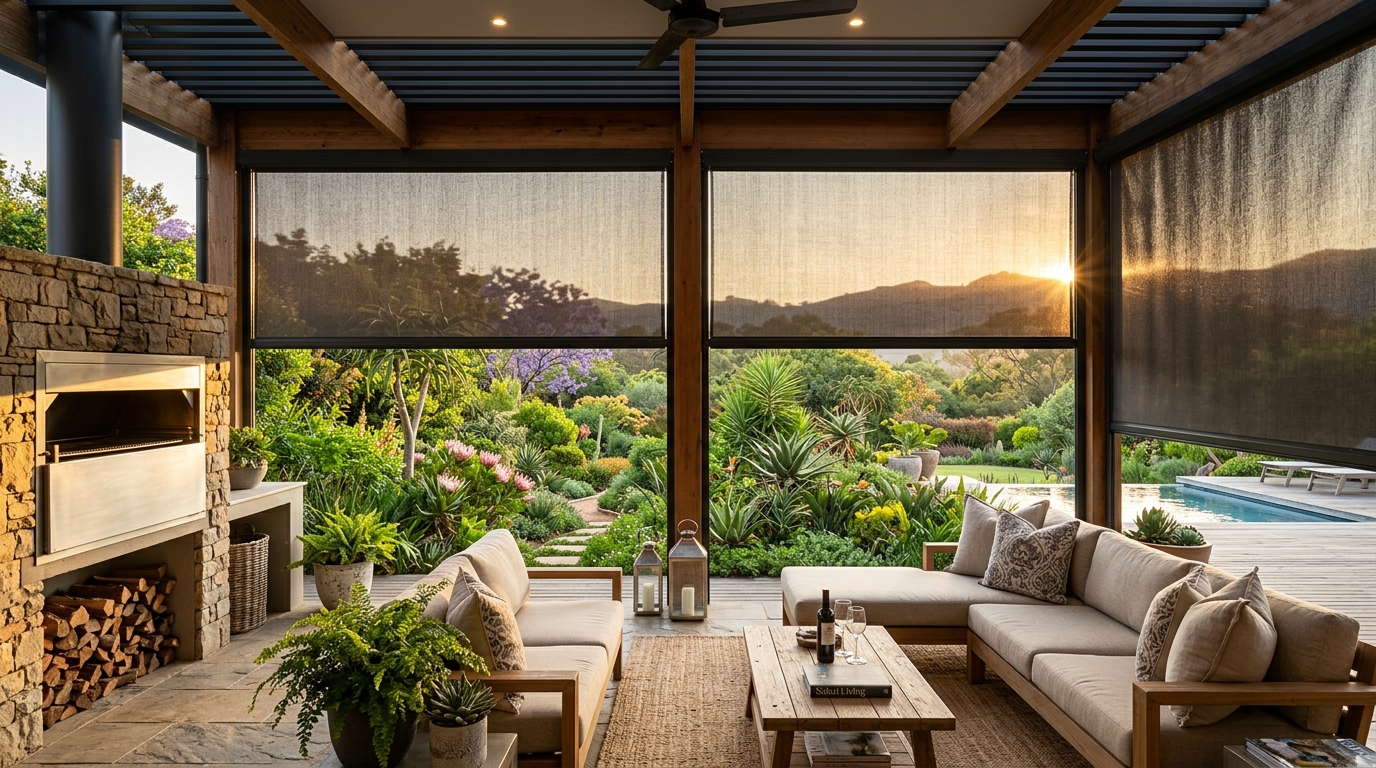
A covered patio can feel like valuable living space on a calm day and become unusable when wind, glare or rain arrives. Retractable outdoor blinds offer a flexible middle ground: open views when raised and more protection when lowered.
They are screens, not building walls, so successful patio enclosure depends on clear expectations and good planning.
Define what “enclosed” needs to achieve
List the specific problems: western glare at dinner, cold wind through one opening, rain on outdoor furniture, daytime privacy or insects. Each points toward a different material and level of side retention. Full weatherproofing, acoustic insulation and security require permanent construction rather than blinds.
Prioritising the two most important outcomes helps avoid a system that tries to do everything but performs no job particularly well.
Work with the existing roof and structure
Outdoor blinds need secure fixing points above and, for guided systems, along the sides. Check beams, fascias, columns, gutters, lights and doors before deciding the panel layout. Very wide openings may be divided so each blind remains manageable.
Plan how bottom bars land and where water drains. The lowered blind should not obstruct door swings, walkways or essential ventilation.
Select material room by room
Solar mesh is effective for bright entertainment areas that still need airflow. Clear PVC suits a side where views and weather separation are more important. Opaque fabric may be useful for stronger privacy or shade.
Using different materials on different elevations can be more comfortable than enclosing every side in clear PVC. Consider how the space behaves when several blinds are down at once.
Make daily operation convenient
If the blinds are cumbersome, they will not be used as intended. Manual controls work well for accessible, moderate-size openings. Motorisation is helpful for wide or high blinds and can coordinate multiple panels, but it needs electrical planning and a sensible override strategy.
Keep switches or crank points clear of furniture and make sure every household member understands wind precautions.
Preserve the open-air character
Colour and cassette placement affect how visually heavy the installation feels. Matching frames to the existing structure, aligning panel divisions with columns and keeping hardware lines consistent creates a more architectural result.
When raised, the system should recede. When lowered, it should make the patio calmer without pretending to be a permanent room.
Plan your outdoor-blind project
Start with our complete outdoor blinds overview to compare free-hanging, wire-guide, channel and zip-guided systems. For a recommendation based on your opening, exposure and preferred material, request a measured consultation.
Frequently asked questions
Do outdoor blinds turn a patio into a room?
They create a more sheltered outdoor area, but do not provide the airtightness, insulation, security or waterproofing of permanent walls.
Is planning permission required?
Retractable blinds are often treated differently from structural enclosure, but local rules, body-corporate requirements and heritage controls vary. Confirm requirements for your property.
Can I enclose only one side?
Yes. Treating the most exposed or sun-facing opening is often the most efficient first step.
Will the patio become hot?
It can if clear panels are lowered in direct sun without ventilation. Mesh or partially open sides can help manage airflow and heat.