
Best Blinds for Every Room in a South African Home

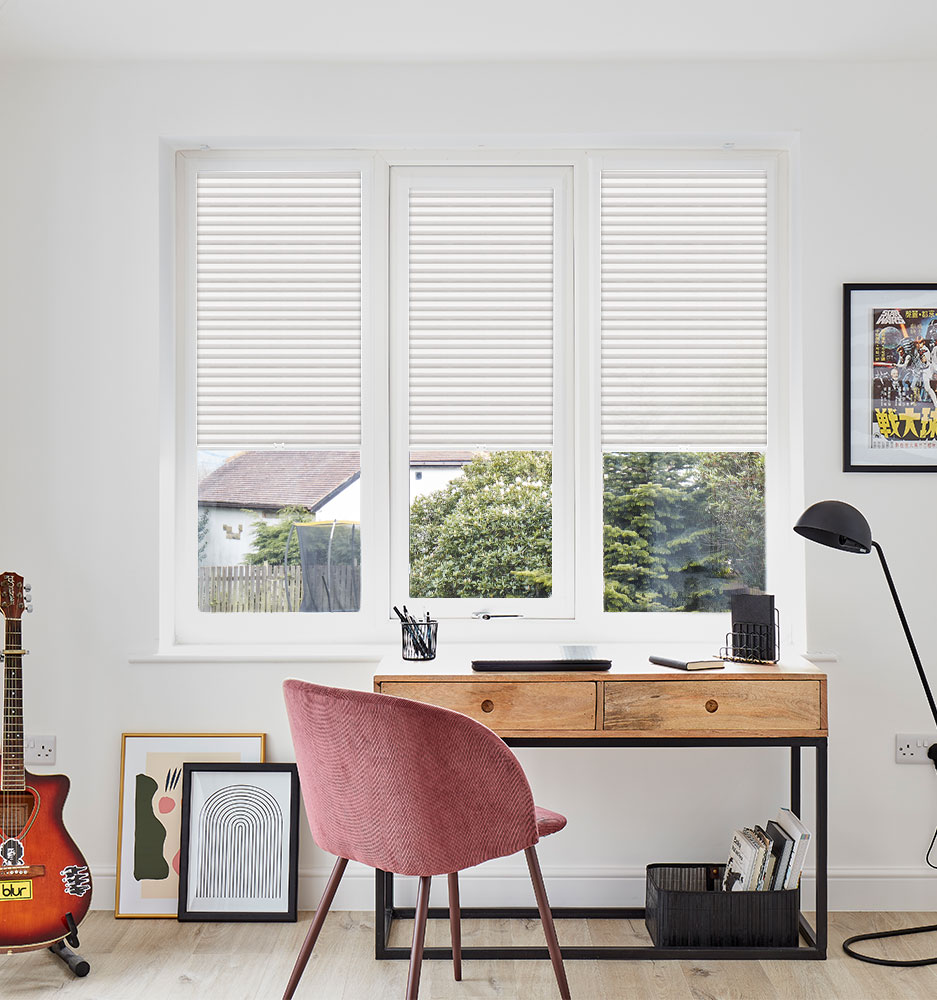
The best blind depends on what the room needs: evening privacy, less glare, stronger darkness, moisture suitability or easier operation. Start with that requirement, then compare the fabric, fitting position and controls. A coordinated home can use different blind types while retaining a consistent colour and finish.
Compare blinds by room and practical need
| Room | Options to discuss | What to check at the measure |
|---|---|---|
| Bedroom | Blockout roller, suitably opaque cellular or layered treatments | Evening privacy, edge light, overlap and convenient controls |
| Living room | Sunscreen roller, cellular, adjustable slats or a layered layout | Glare, outward view and a separate plan for privacy after dark |
| Kitchen | Suitable roller or aluminium Venetian options | Steam, splashes, cleaning requirements and clearance from work surfaces |
| Bathroom | Moisture-appropriate roller or aluminium options | The actual exposure, privacy requirement and ventilation |
| Home office | Sunscreen roller or adjustable Venetian options | Screen reflections, changing sun angles and usable daylight |
| Large or high windows | Suitable divided, linked or motorised layouts | Product limits, door access, power, controls and maintenance access |
Opaque fabric does not automatically make a room completely dark, and a view-friendly daytime fabric may not provide the same privacy once the lights are on. Assess both the chosen material and its installed coverage.
Best blinds for bedrooms
Bedrooms need privacy after dark and control over early morning light. Blackout blinds are the natural starting point, but fabric alone does not control light entering around the edges. An outside-reveal mount can increase overlap, while cassettes or side details may be considered where stronger room darkening is required.
Cellular blinds are another attractive bedroom option when a softer textile appearance and improved insulation at the glass are priorities. Choose a blackout cellular fabric for sleep; a light-filtering fabric is better suited to gentle daylight than darkness.
For more detail on privacy after dark, edge light and mounting choices, read our bedroom blinds planning guide.
Best blinds for living rooms
Living rooms often have the most competing requirements. You may want to protect the view, reduce glare, soften strong afternoon sun and create privacy at night. A sunscreen roller blind is useful during the day, but its privacy effect can reverse after dark when lights are on inside.
Where both daytime view and night privacy matter, consider a double roller system or layer the blind with curtains. Roller blinds keep the window treatment visually simple, while cellular blinds introduce a softer, pleated texture.
Explore the balance between daytime views, glare and evening privacy in our living-room blinds guide.
Best blinds for kitchens
Kitchen blinds should be easy to operate and appropriate for the conditions around the window. Think about steam, cooking residue, splashes and clearance from taps or work surfaces. The fabric or material must suit the exact position; a blind next to a sink has different demands from one across the room.
A neat roller blind is often practical because it can be raised clear of the working area. Aluminium Venetian blinds can provide adjustable privacy and light. The installer should confirm that the chosen product is suitable for the moisture and cleaning routine.
Best blinds for bathrooms
Privacy is usually the first requirement, but ventilation and moisture exposure are equally important. Avoid selecting a material purely for appearance. The window position, shower or bath proximity and how the room dries out should guide the recommendation.
An opaque, moisture-appropriate roller fabric can provide a simple solution. Aluminium blinds are another option where adjustable light and privacy are useful. Ask specifically whether the proposed components and fabric are suitable for that bathroom.
Best blinds for home offices
The goal is to manage reflections without turning the room into a cave. Sunscreen roller blinds can soften direct light and preserve an outward view. Adjustable slatted blinds let you redirect light, which can work well when sun strikes the screen at a changing angle.
Position also matters: a correctly specified blind cannot compensate fully for a monitor placed directly into harsh sun. Consider the desk, video-call background and sun path together during the consultation.
Best blinds for nurseries and children’s rooms
Choose dependable light control and discuss child-safe operating options. Blackout fabric helps with daytime naps, while the mounting method affects edge light. Cordless or motorised control may be considered depending on the product and room setup.
Do not place furniture where a child can reach operating chains or cords. The completed installation should be checked with the room layout in mind.
Best blinds for large sliding doors
Wide doors need careful planning. One very large blind may be heavy and limit access when partly open; multiple aligned blinds can provide more flexible operation but introduce joins. The best split usually follows the door panels and how people move through the opening.
Hardware capacity, roll diameter and fabric width all matter. This is a strong area for professional measuring rather than working from building plans alone.
Best blinds for high and double-volume windows
Accessibility is the deciding factor. If a manual control cannot be reached comfortably, motorised blinds can make daily adjustment practical. Power and control planning should be discussed early in a new build or renovation, before ceilings and walls are closed.
Before choosing controls, review power, blind divisions and maintenance access in our guide to motorised blinds for large and high windows.
Where cellular blinds fit best
Cellular blinds have a pleated honeycomb construction that creates air pockets at the window. They can be a good fit for bedrooms, living rooms and studies where insulation, a softer appearance and compact stacking are valuable. Light-filtering and blackout versions serve different purposes, so confirm which fabric is being quoted.
How to keep a consistent look across the home
Consistency does not require using the identical blind everywhere. Keep a coordinated colour family and hardware finish, then change the performance fabric by room. For example, a neutral sunscreen roller can serve the living areas while a visually related blackout fabric is used in bedrooms.
This approach gives each room the right performance without making the house feel pieced together. A sample review in the actual light is more reliable than choosing colours from a phone or computer screen.
Five questions to answer before the measure
- Which rooms need privacy during the day, at night, or both?
- Which windows receive direct morning or afternoon sun?
- Where is retaining the view important?
- Which blinds will be high, wide or used several times a day?
- Are any windows exposed to steam, splashes or frequent cleaning?
Plan the rooms as one measured project
Make a short list for each room: its main priority, when the problem occurs, the number of windows and anything that must stay accessible. Add your location and clear photographs showing the whole opening, handles, recesses and nearby furniture. Approximate sizes help the first discussion; final manufacturing dimensions and fitting details need confirmation.
Use the bedroom privacy and darkness guide, living-room guide and motorised-blinds planning guide for the details that matter to your rooms.
Explore ART Lifestyle indoor blinds and the consultation photo checklist, then request a consultation. The team will confirm service availability and the next measurement step for your location. For photographs or a longer brief, WhatsApp 083 298 1740.